
Track the rhythm
We look at when symptoms appear, not just what the symptom is.
Hormones / cycle support
Hormonal symptoms are often rhythmic. We look at the cycle, the Kidney foundation, Blood, Liver Qi movement, stress load, sleep, digestion, and the way symptoms change across the month or through menopause.
How RootCare treats this
We do not use one fixed protocol. Your plan is shaped by the symptom, the pattern underneath it, your sensitivity, and how your body responds between visits.
We look at when symptoms appear, not just what the symptom is.
Acupuncture may support Qi and Blood flow, cycle rhythm, pain, and nervous system balance.
Herbal tea support, moxa, or point selection may support Kidney, Blood, Yin, or Yang patterns.
Care can shift across the cycle, menopause transition, or recovery stage.
Treatment may include
These are examples, not a menu you have to choose from. At your visit, we choose the most suitable combination for your body, comfort level, and stage of care.
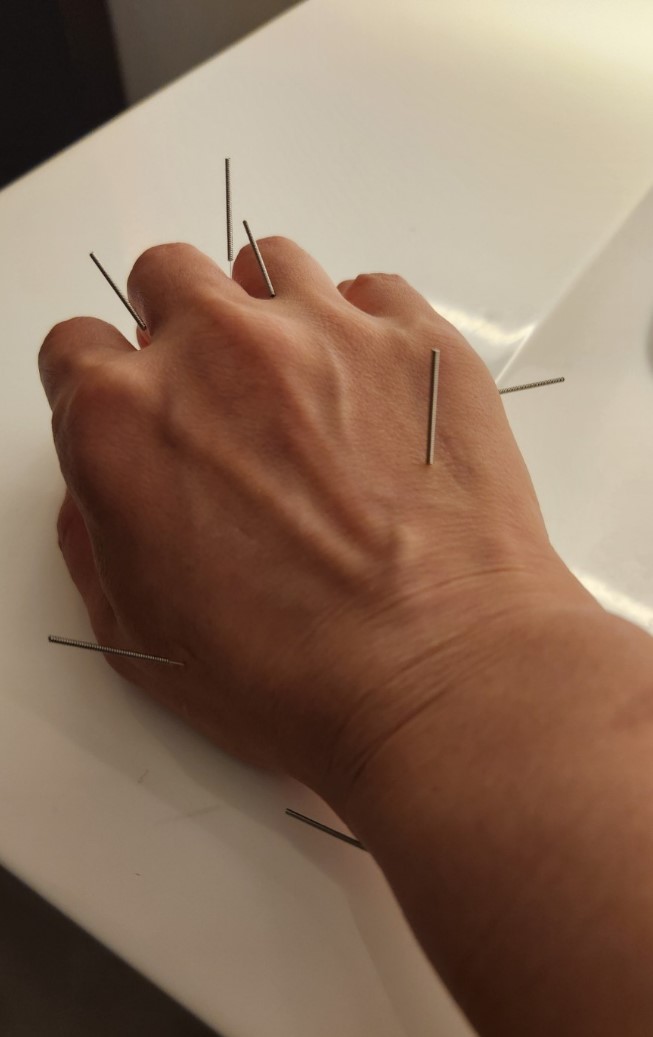
Supports cycle regulation, pain relief, stress response, and nervous system balance
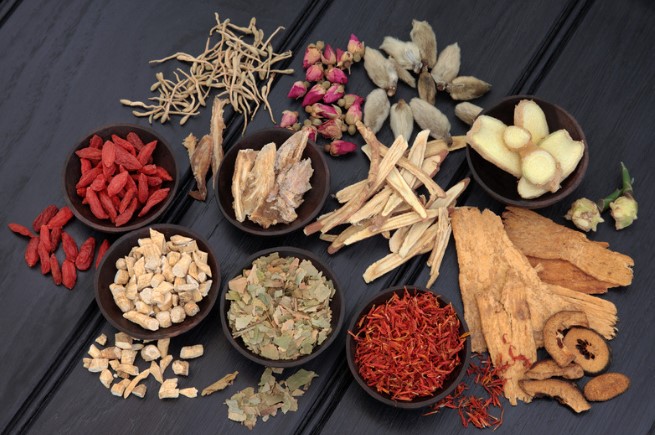
May support deeper cycle, PMS, menopause, or constitutional patterns as a gentle daily ritual
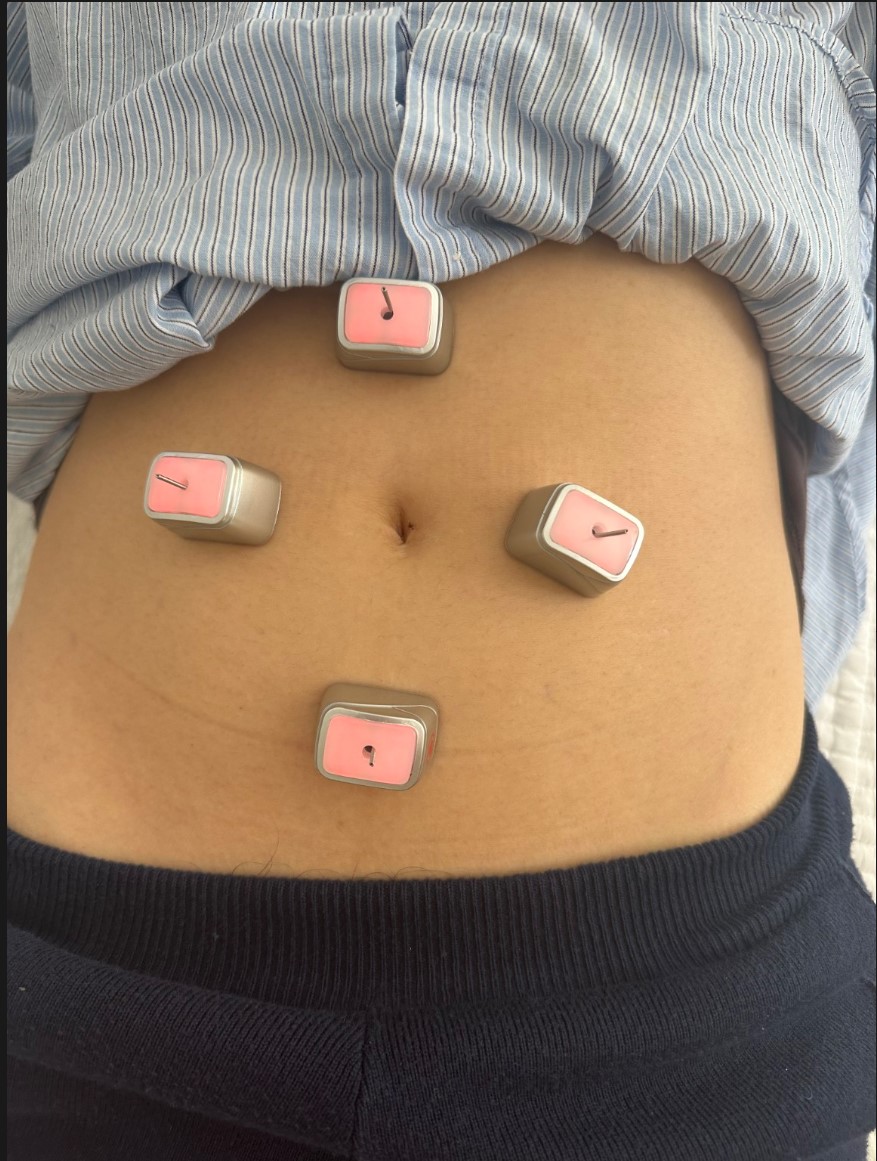
Used when coldness, deficiency, cramps, or low warmth are part of the picture
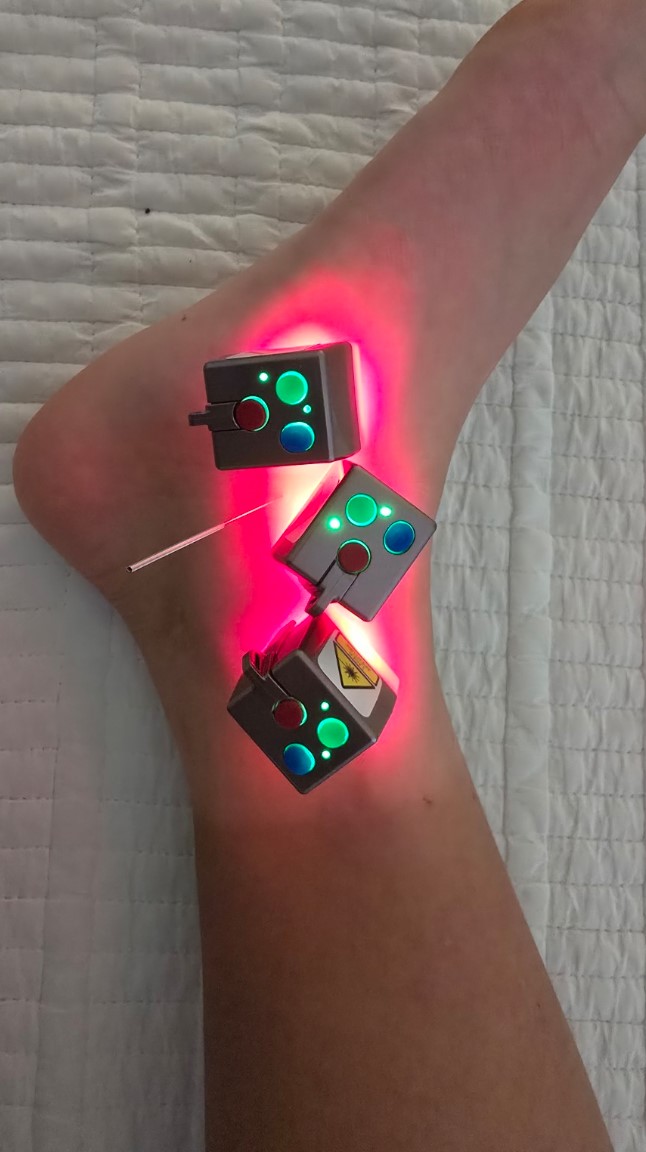
Needle-free support for sensitive patients or delicate areas
Common acupuncture points
Point selection depends on your exact presentation, palpation findings, and comfort level. These are common examples, not a fixed prescription.
Treatment timeline
Some people notice changes within a few sessions, while long-standing or complex patterns usually need a steadier course of care.
Acute or recent symptoms may respond faster. Chronic, recurring, post-viral, hormonal, or deeply depleted patterns often need more time because the body is rebuilding capacity, not just quieting a symptom.
Read more
For the deeper why behind this condition, you can read the related pattern guide.
Ready for the next step?
Book an in-person visit if you are ready for care, or start with the free assessment if you want a clearer first step.